

Yesterday, I was daydreaming about a title for this newsletter: “Lukas Mauve went to Paris Fashion Week and all I got was no news whatsoever.” When I woke up I realized, much to my own relief, that title is nothing more than anxiety wrapped in a sad-and-sorry slogan. After all, there was news. Like the life Kundera was talking about, it was simply elsewhere.
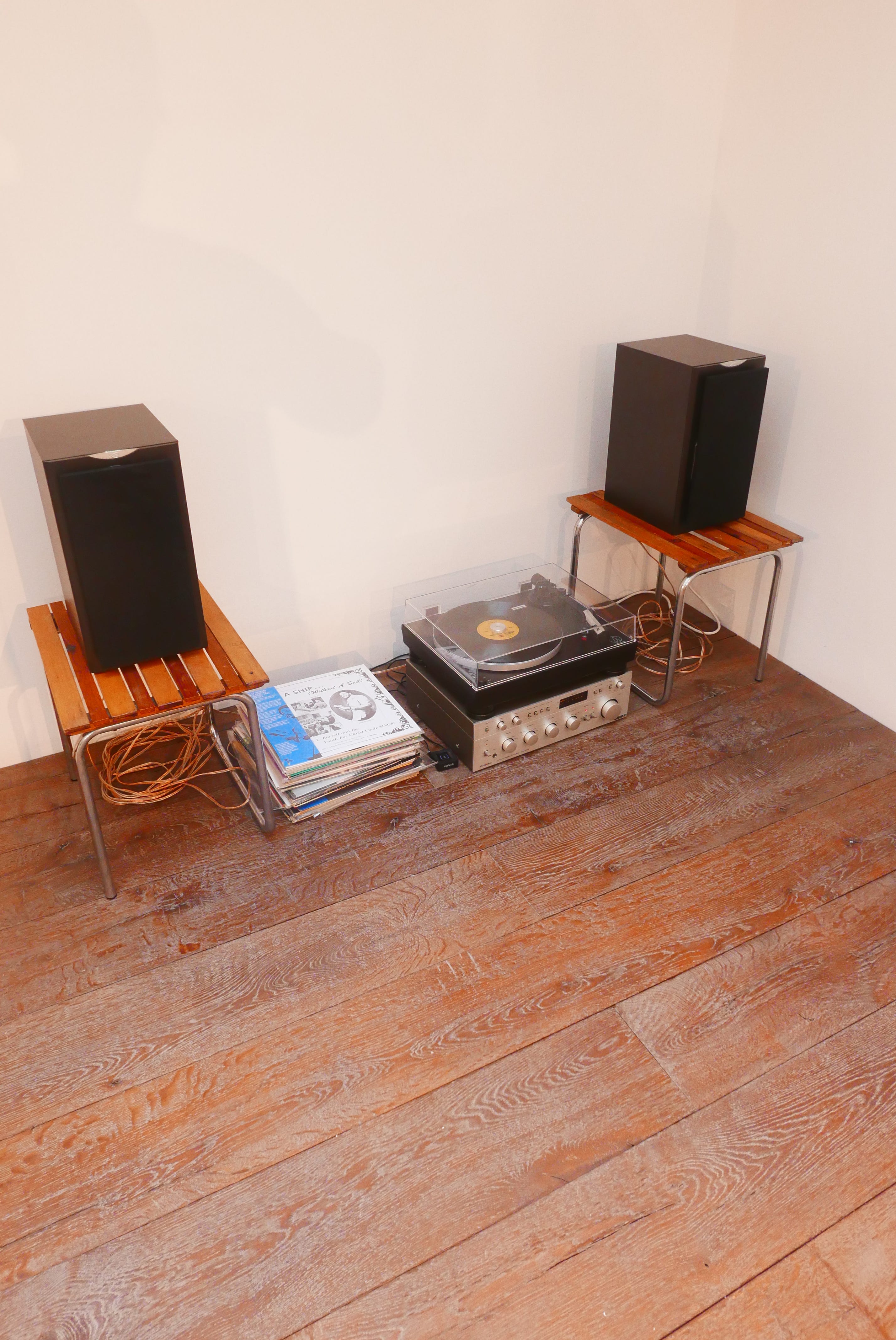
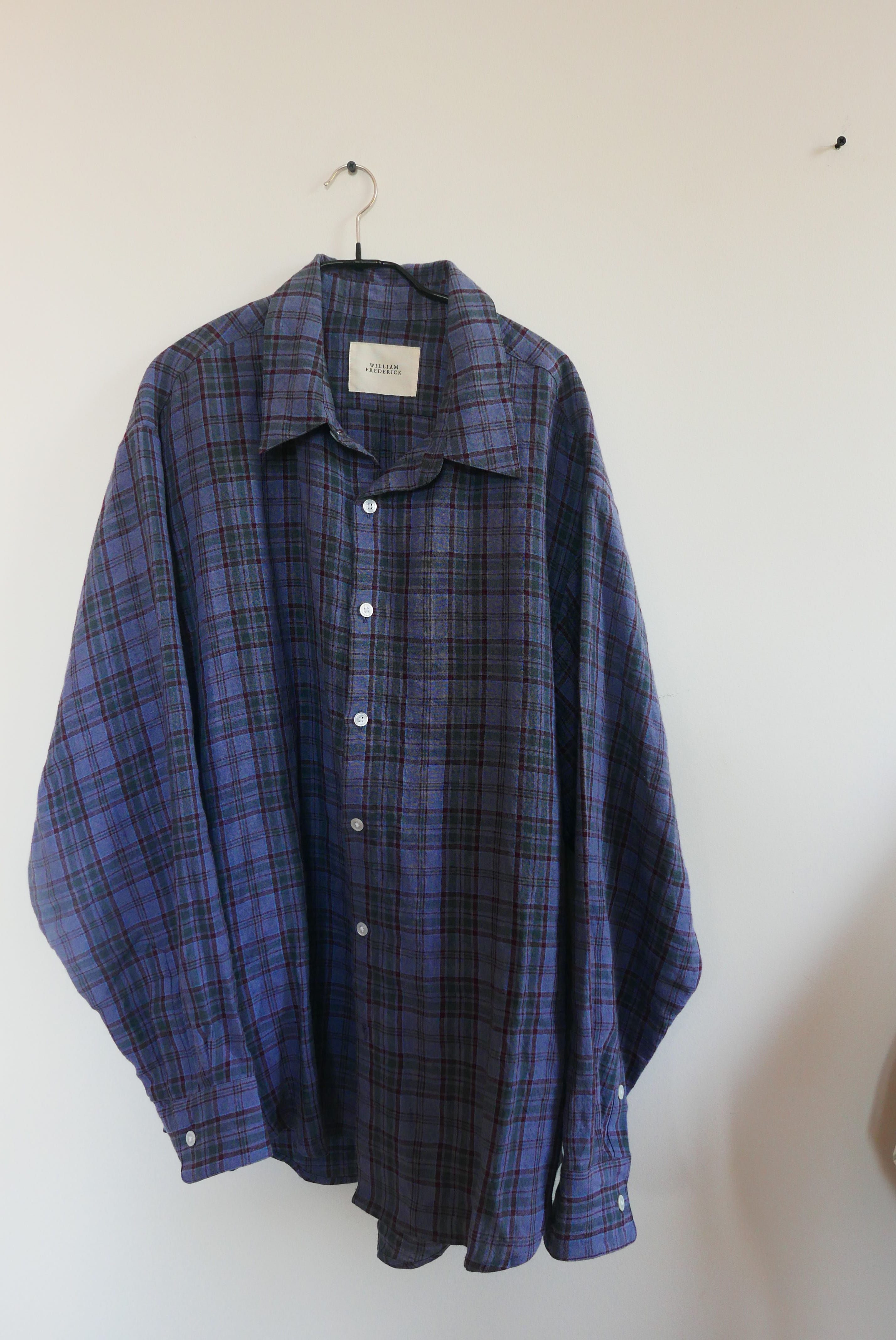
I covered the “New Yorkers in Paris” showroom, where Small Talk, Archie, Csillag and Silphium presented their Spring/Summer 2027 collections. The next day, I shadowed Hampus von Hauswolff and Eric Nordstedt, buyers at Stockholm’s Nitty Gritty, as they moved between showrooms in the blistering heat. Niceness was a highlight, especially Takahiro Ito’s outfit, anchored by a worn-out plaid shirt from an early collection (see below). On Saturday, I sat down with Ryo Kashiwazaki, founder of Hender Scheme, to talk about his collaboration with Artek, the Finnish design firm founded in 1935 by husband-and-wife duo Alvar and Aino Aalto.
Honestly, that was all the news I could handle. The apartment I was staying in had neither ventilation nor air conditioning, and the temperature inside was around 39°C. During my late-evening writing sessions, both my head and my laptop overheated, which was bad because I really needed both.
Like last January, working with deadlines kept me grounded in Paris. I remember Clément Douillet from Maison Douillet once telling me that I’m always in an existential mood during fashion weeks. He isn’t wrong. I can’t keep myself from asking: What am I doing here? Still, I’ve found myself asking it less and less. Is that a good thing? I’m not so sure.


Once you stop asking that important question, you start self-identifying with where you are and who you are with. And with that comes the danger of taking things for granted — or worse, assuming that you and everyone around you naturally know what Paris Fashion Week is all about.
When I started this newsletter, what I enjoyed most was accepting my ignorance about fashion, clothes, and style, fully committing to it, and following it wherever it took me. Now that I’ve been doing this for two-and-a-half years, I sometimes catch myself writing from a different place: a place of “knowing,” which can feel less honest, less true, less real. Let me be a bit more specific. There’s nothing wrong with knowledge itself, of course. But it is wrong to become attached to it and lose touch with the ignorance that made it possible. Call me paradox-headed, but for me the ideal is to write knowledgeably from a place of not knowing.
Maybe, yes, it is a good thing not to get too existential about Paris. After all, and I’m speaking from experience here, it does make you more interested in reality than unreality, in understanding than in skepticism, in enthusiasm than in solipsism. Instead of wondering whether any of this is even real, you find yourself wondering what this reality is made of, what keeps it going, and how it changes.


While knee-deep into this reality-embracing mood, I figured this might be the meaning of that weird-yet-omnipresent phrase “real clothes.” It’s not that the clothes small makers create are more real than others — I wish they were, yet how could they be? — but that they’re a portal into a reality that’s actually humanly pleasant to accept as real.
If that’s true, it’s true on two levels. These clothes, these good clothes, give physical expression to that reality and they’re also magical tools for bringing it into existence — somewhere, sometime. Think of Camiel Fortgens’ Paris presentation, which took place in a typical Paris bistro. It showed clothes, for sure, but in doing so it also realized a way of presenting them — as part of everyday life — that doesn’t really exist in the realm of the ordinary yet. For me, that’s why I like wearing Fortgens’ clothes, too: I love the frayed edges and crooked seams for how they look, but I love what they are and could become even more.


Also? At Paris Fashion Week, I opened my eyes, looked around, talked to people, and noticed some things I’m eager to tell you about. No system-level analyses, just casual observations.
Self-referential
Mark from Archie, Onea from Silphium, and Floortje from Camiel Fortgens all told me, independently of one another yet in almost exactly the same words, that their Spring/Summer 2027 collections are deeply self-referential. If that means anything, menswear labels seem to be in a moment of pause of reflection right now, more interested in getting to the core of themselves than reinventing who they are. The result is smaller, more focused collections that refine or perfect — rather than change or overthrow — what many of these labels have been doing so well for the past decade.
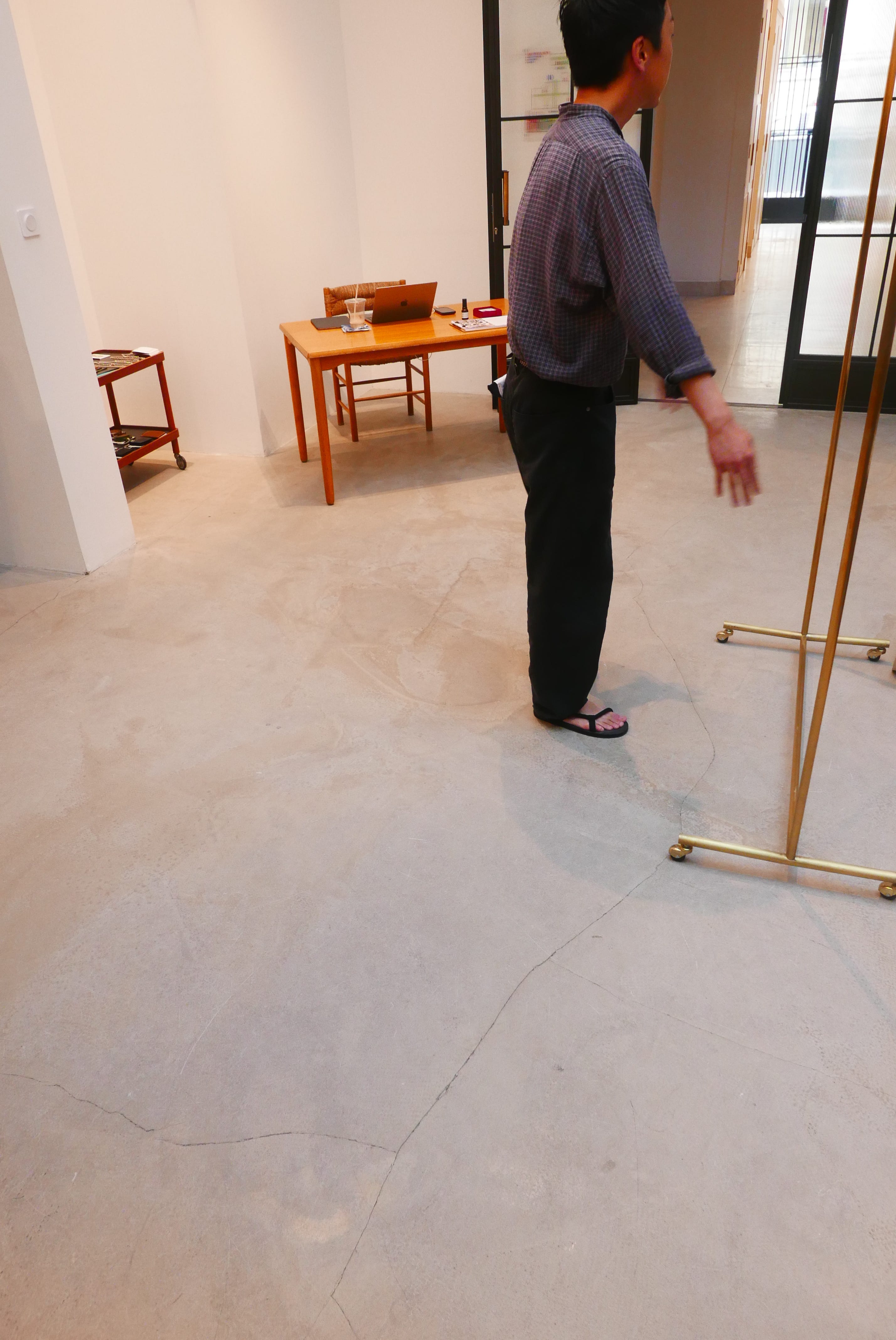
Experimental
Then again, the opposite also seems true: menswear is definitely in a playful, slightly experimental mood. It’s why Hampus and Eric visited the Niceness and Unlikely Dry Goods showrooms, both full of brightly colored, graphic-heavy takes on ‘50s and ’60s staples. It’s why Camiel bought a bunch of Birkenstock soles and made his own “unlicensed” version of the iconic sandal. It’s why Carter Young is doing a grungy waffle thermal crewneck. It’s why Small Talk’s heavily embellished collections are buzzing. I mean, even Evan Kinori is into striped polo sweaters now.
Maybe everyone read BoF’s “Why All Menswear Looks the Same” piece and collectively decided to prove it wrong. The real explanation may be, paradoxically, the very same self-referential mood: many labels have found out what they’re about and good at, and can now start finding out what else they can do.
Plaid/Checked Patterns Everywhere
One expression of that playful mood is plaid. Different kinds of checked patterns (preferably in kelsch) are literally everywhere at the moment: from Oliver Church to seventyfive, from Working to Unkruid, from William Frederick to Auralee, and from Saager of Neighbour to Hampus. Make of that what you will — what else is new? has plaid ever gone away? — it does mark a noticeable departure from the plain brown, natural-dyed shirts that have defined much of the 2020s so far. I, for one one, never stopped loving Kurt Cobain. Honestly, if you want to prepare for next year’s spring and summer, you’d do well to study his wardrobe, including his choice of shirts.
Where are the Good Shoes? And: What Are They?
By now, we have a pretty clear sense of what good clothes are, whatever that might ultimately mean. Noah Johnson even made an index of it. Walking around Paris, my gaze turning downwards, I found myself wondering: what are good shoes? We don’t seem to have a shared — or even intuitive — sense of what those might be. There were plenty of ugly-cool shoes in Paris, but much more than too. Eric wore Nike. Hampus wore Chamula. Cole of Csillag wore vintage loafers. Floortje wore Birkenstocks. Chris from Duchump was mad about Sine & Cosine. Some folks I met at the Jan-Jan Van Essche party on Friday wore Petrosolaum. And I, for one, was breaking in my Paracias and B.O.T.O.s.
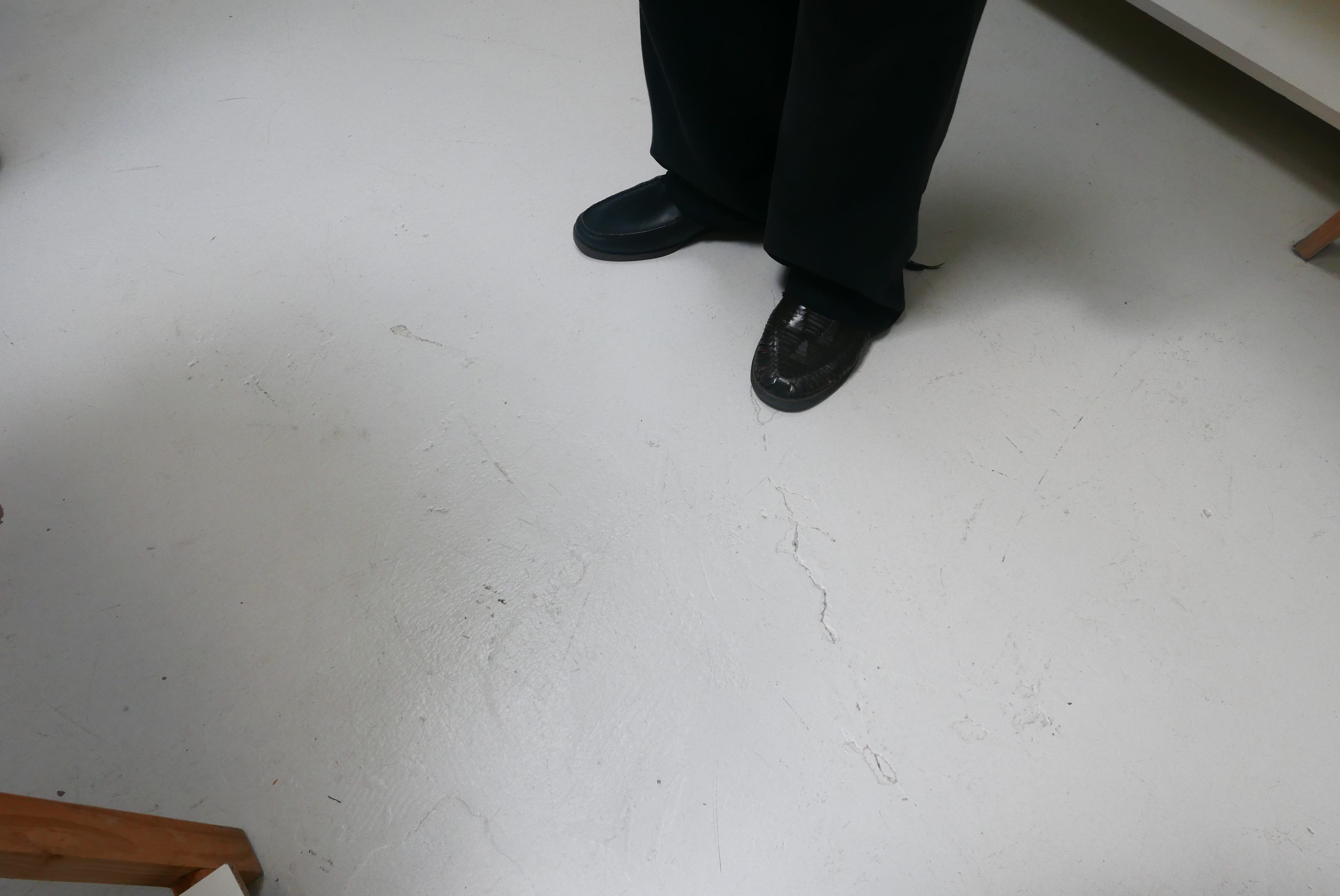
What on earth should we make of all that? You tell me. Well…? Hence my thesis: there are lots of good shoes, but there is no such thing as good shoes.
I’ll leave it at that, thank you.
Couldn’t be anything but existential in that heat. Liking this “real clothes” term makes sense to me
your existentialism is exactly why you should be in paris because it gives you a unique pov. if you stop coming we lose that perspective so i hope you realise your importance in inspiring your readers (and future writers who look up to you!!)
duchump is right and the good shoes were at sine & cosine. (and if you’d ask me, at la botte gardiane, but that’s a non-fashion week related take)
to me it felt like the ‘cool’ brands that are known for pushing aesthetic recalibrated and focussed on refining their product - making good clothes.