
Cologne's Lucky Charm
A catch-up with Moritz Gottlob-Schönenberg

Thanks for reading Present Forever. If you’d like to support this exploration of the offbeat and independent, consider subscribing or upgrading:
Before we start: what’s up with the Tyrolean shoe craze? Not so long ago, Jan-Jan Van Essche collaborated with Petrosolaum on the ‘Tyrolean’. It was a match made in heaven that surely couldn’t be topped. Or so you’d think. Now that Footworks has burst upon the scene, there are the ‘Tyrolean Boots’ which — Hampus from Nitty Gritty tells me — are some of the most comfortable shoes out there. And that’s not all. This week, Neighbour posted snapshots of Footworks’ latest collaboration with Comoli. The result? A shoe called the ‘Tyrol’. There’s more. Regal Shoe & Co. makes the ‘Tyrolean’, and Needles recently released ‘The Tyrolean’, with so-so purple laces.


You could argue that these are just variations on Paraboot’s Michael — the quintessential Tyrolean model, launched 81 years ago, with its U-shaped “piped” seam across the toe, thick rubber sole and Norwegian welt construction. You could even say they’re just riding the never-ending wave of the Michael’s popularity, itself perhaps part of the even bigger and longer tide of functional-yet-weird, ugly-yet-cool footwear. That’s all true. But let me say this, and not just to ruffle feathers: some of these models might actually be better. As a matter of fact, they actually are.
Anyway, what I’m really here to talk about is the conversation I had the other day with Moritz Gottlob-Schönenberg of Cologne-based Gottlob. I first wrote about Gottlob in February last year. Not longer after, Jack Stanley profiled the label, and its world of joyful-German-handmade-yet-affordable goods, here. That was around the time Gottlob’s bracelets pulled off the impossible feat of being if you know, you know and omnipresent. They were literally everywhere at Paris Fashion Week last summer. Some people even mistook them for access passes to an event they’d missed out on. And they were right, to some degree, if by event they meant the good life.
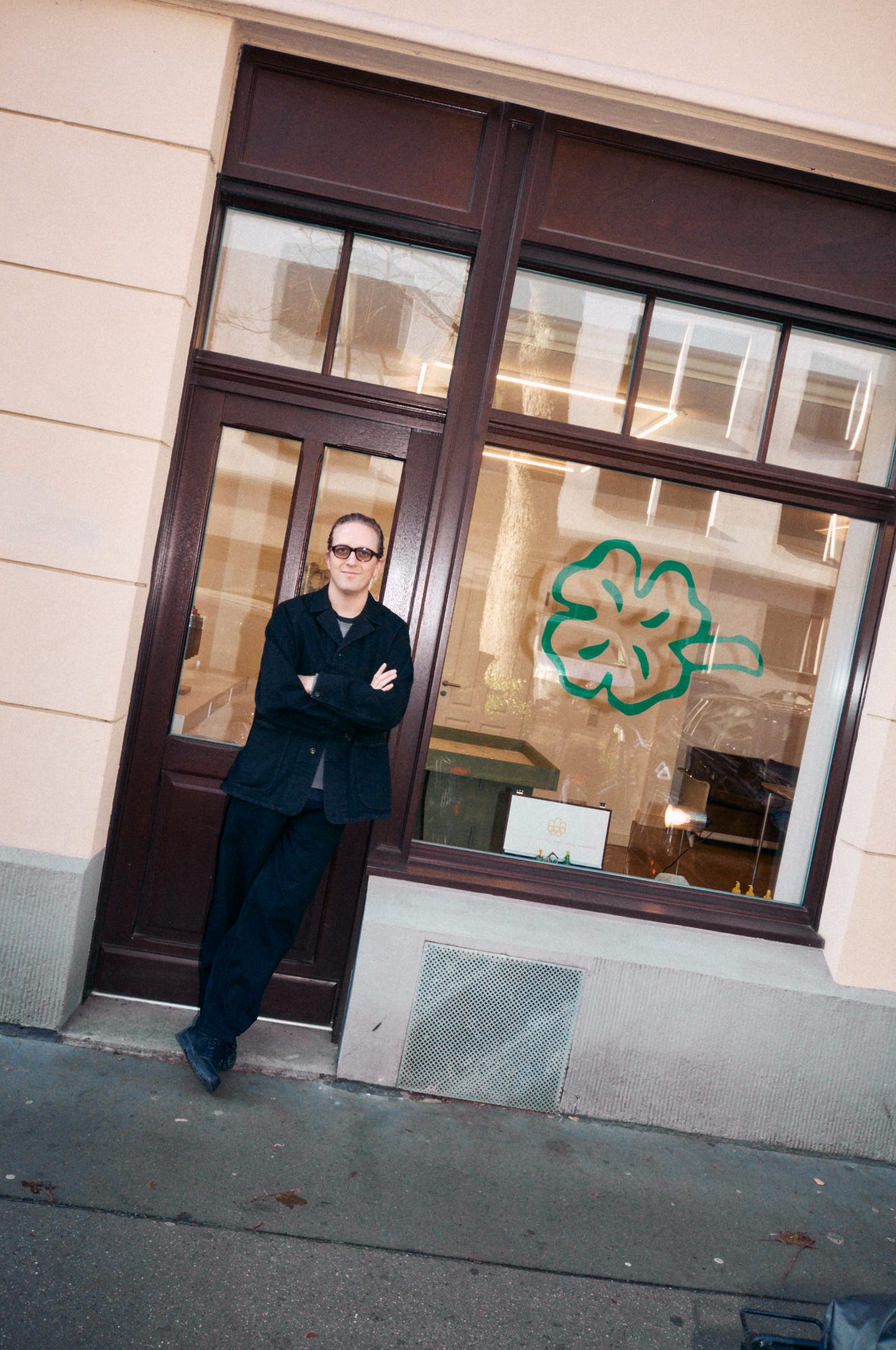
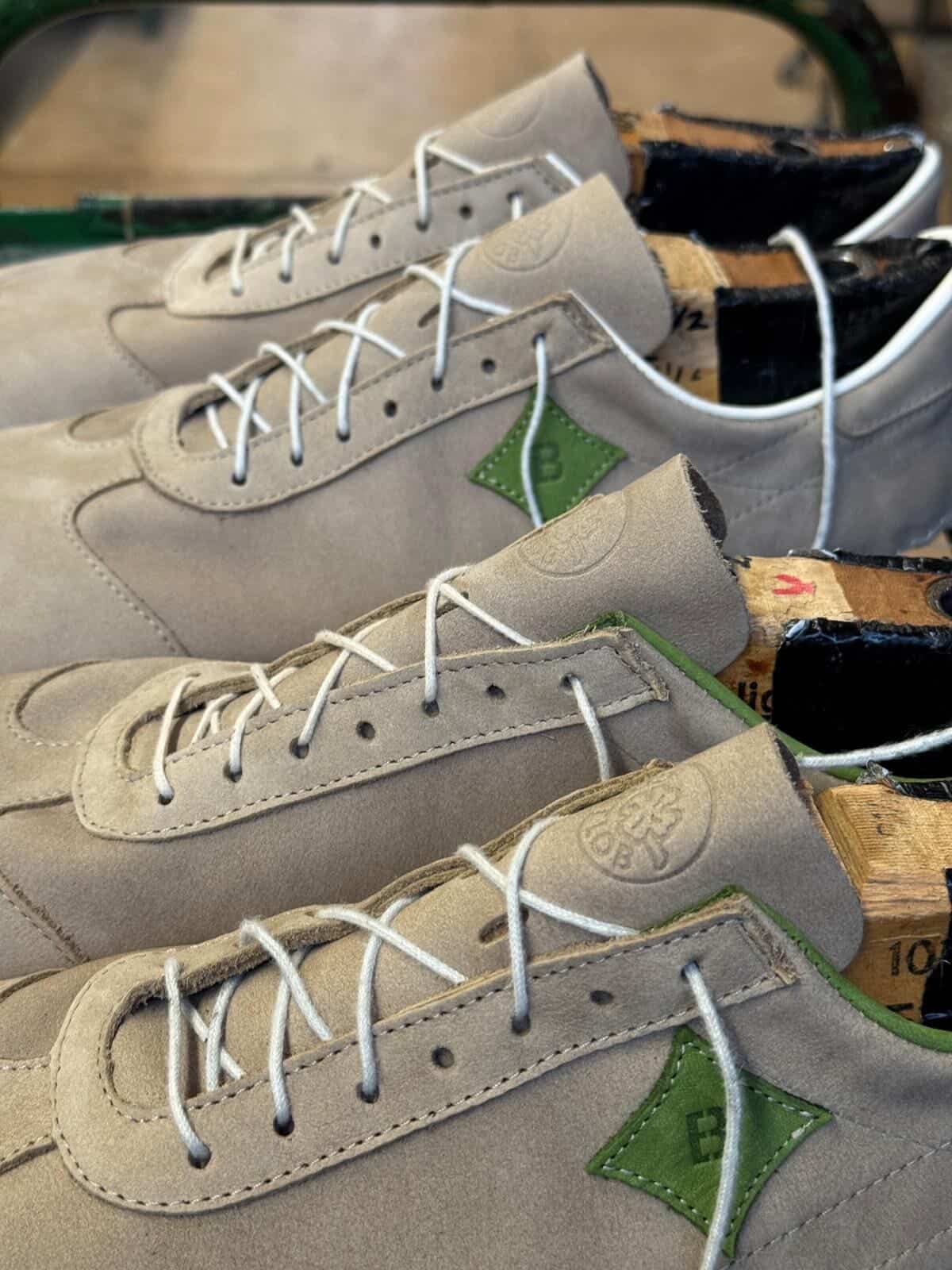
Since then, Gottlob’s world has been gradually expanding, while Moritz himself remains the genuine, nice guy he always was. Beyond the beaded bracelets, there’s now everything from necklaces and brooches to bag and wallet collaborations. On top of that, Moritz and his team have opened a shop in his hometown of Cologne, which also functions as the label’s office and studio. Moritz and I jumped on a call to catch up and — it turned out — talk serendipity, work in progress, Oscar Isaac, drug dealers, doing what feels good, and the benefits of not really knowing what it is you’re doing. Moritz also kindly shared images of forthcoming releases, including a collaboration with the German footwear masters at Brütting.
Lukas Mauve: How’s life in Cologne, Moritz?
Moritz Gottlob: Very good. Very busy. I’m in my shop now. There’s still a lot to do, but it’s nice to have a proper place in the offline world — to sit down and reflect. There’s more time to breathe, to stare at the wall or stand on the street and think: “Why haven’t I done these rings I always wanted to do? It’s just one email away.”
Besides, it’s good to interact with random people walking in and to be part of the neighborhood. I mean, there’s this Italian delicatessen store around the corner I’ve been going to since I was three.
Lukas Mauve: You’re saying doing nothing is important to doing what you do?
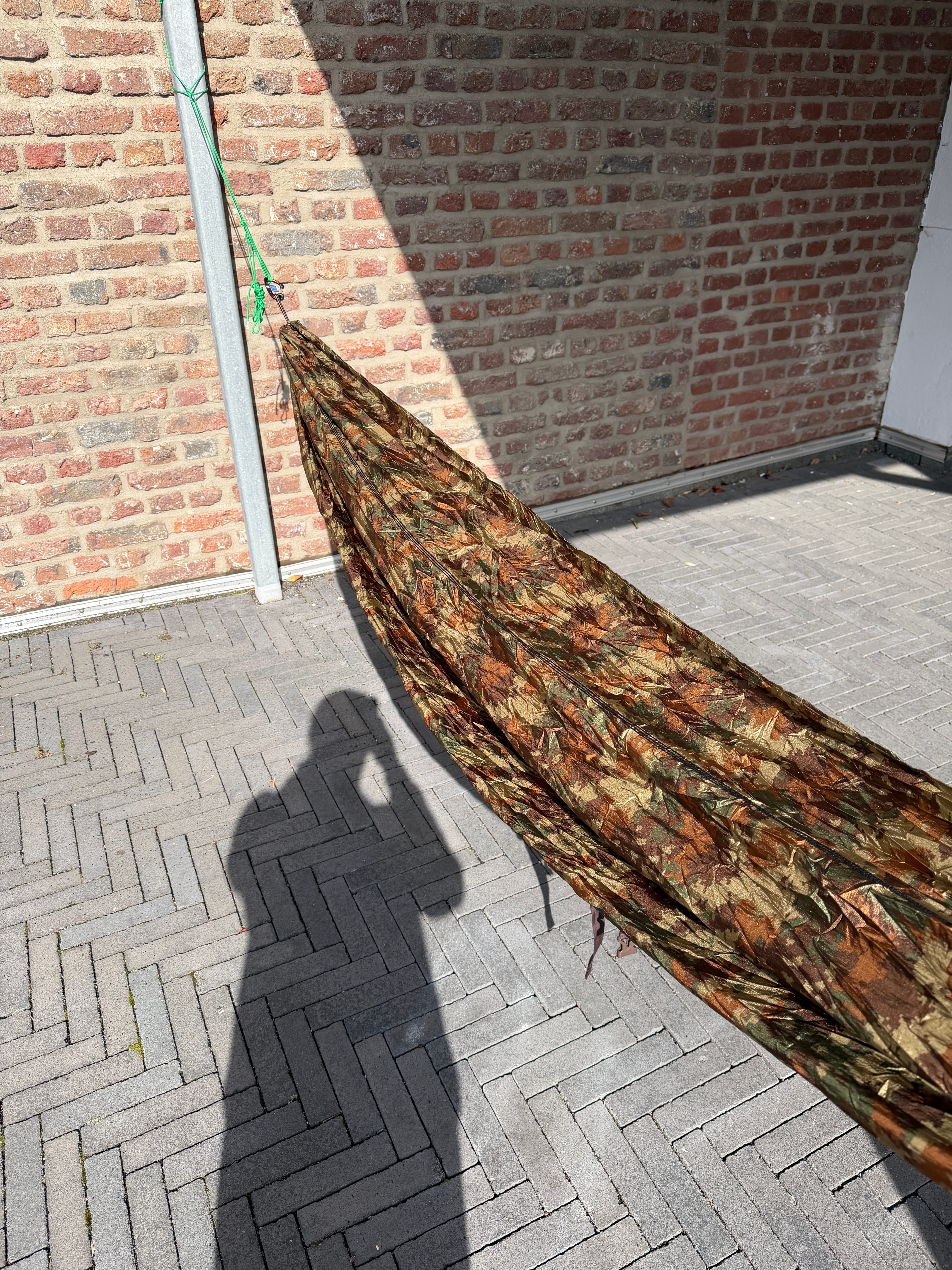
Moritz Gottlob: It’s kind of cliche, but I was listening to this German podcast with a well-known psychologist. He talked about the idea that if you have a nap at lunchtime, you kind of have two days. You have the morning-day and the afternoon-day. That’s so true! I usually crash at two or three. I’ve got a hammock in the back where I chill for 20 minutes every day after lunch before going back to work.
Lukas Mauve: I’ve been talking to a lot of store owners lately, and my feeling is that running a store, especially in the early days, involves not just hard work but also a lot of waiting, sitting around and hoping for the best. How’s your experience been so far?
Moritz Gottlob: Obviously, Cologne isn’t like London, where you would have a lot of creative people walking by the shop everyday. But for me, it’s nice to be this outsider here. And you know, I didn’t open the store to be profitable or make money. If I can just cover my rent, I’m happy. I’m not tied to being here either. I remember in the beginning someone messaged me, saying “I’m in front of the shop now but no one’s here.” I was like, shit, I have to jump on my bike and cycle there as fast as I can. But it turned out everyone was like “it’s fine, I’ll just come by another day. I don’t have to have it right away.”
Lukas Mauve: You don’t feel people ever have this sense of cop-urgency when it comes to Gottlob?
Moritz Gottlob: Well, okay, some people do have that. As you know, we work with this idea of a lucky charm. I don’t necessarily believe in luck, but I do believe in serendipity, where if you move and do things, other things start to move too, if that makes sense. Anyway, there was this girl doing triathlons and one day she texted me “I need to swing by now. I’m flying to Mallorca tomorrow for a race and need to take a bracelet with me.” I hope she did well.
Lukas Mauve: Gottlob has had such a positive response over the past year. What was that like for you — overwhelming, stimulating, or a bit of both?
Moritz Gottlob: You know, I used to work at big corporations where you could give a good presentation and then, for the next four months, just drink smoothies in the cafeteria while everyone still says, “good presentation, man.” That’s different now. When I saw the first orders coming in I was so excited. I don’t know if this is actually allowed, but I would look people up to see where they lived, and go: “Why is someone in Wyoming buying our bracelets?” I guess what I’m trying to say is that, right now, Gottlob feels accepted, feels legit.
Lukas Mauve: And it’s not guys like me wearing Gottlob anymore…
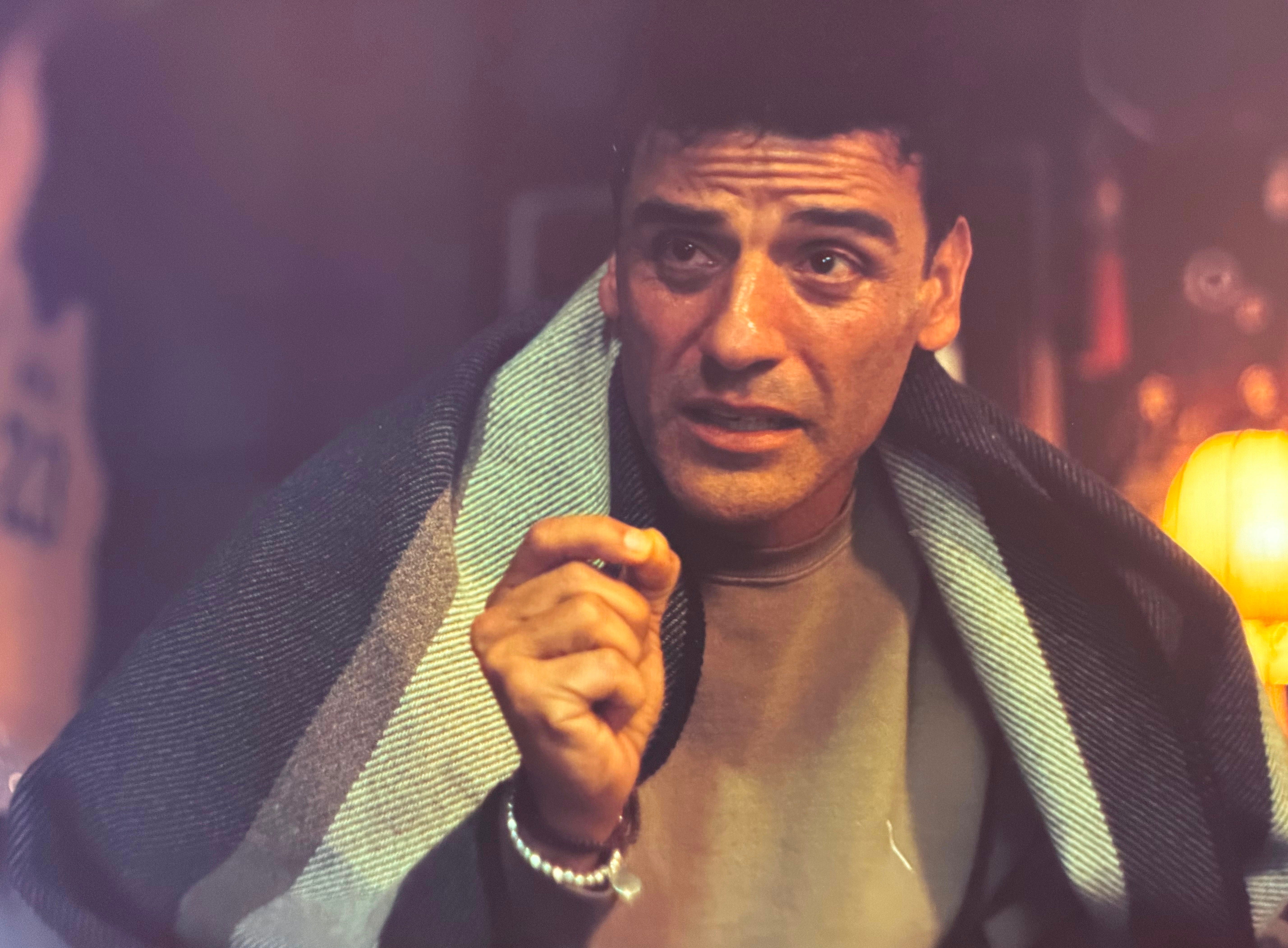
Moritz Gottlob: Yeah, the other day someone sent me a picture of Oscar Isaac wearing the bracelet throughout the second season of BEEF. Joe Jonas from the Jonas Brothers wears them too, I think.
Lukas Mauve: Is it aesthetics or aura too?
Moritz Gottlob: I guess, going back to the lucky charm idea, it’s almost become like this tangible symbol of serendipity, of going out into the world and letting things happen. A couple of weeks ago someone messaged me, “I met this guy here at Coachella. He was also wearing your bracelets!” They’d never seen each other before, but connected instantly, then and there.
There was also this woman from the US who messaged me to say she had bought her son a bracelet. He was wearing it while playing an Ivy League football game, it got ripped and broke. A couple of weeks later he was studying at the library and a friend came up to him, saying: “Where did you get that bracelet from?” “Why?” he asked. “Well,” she said, “I found the clover on the pitch after the game and put it on my keychain.” Apparently, when she was young, she was the only one in her family who could find four-leaf clovers, without even trying.
I like to think these things happen because of the bracelets. That’s the idea I had in my mind from the beginning: when you wear it, good things will happen to you, whether you’re in Wyoming or Cologne. Anyway, I guess what I’m trying to say is that it’s nice to see Gottlob grow.
Lukas Mauve: What are you enjoying most about it?
Moritz Gottlob: I recently started asking people on Instagram to share their lucky charms with us — not necessarily the bracelets, just anything. Everything people send back is so amazing, whatever it is. It makes me feel like the idea behind Gottlob becomes more and more real, which in turn makes me curious what else the label can stand for beyond jewelry.


Lukas Mauve: You like that open-endedness — just seeing where Gottlob takes you?
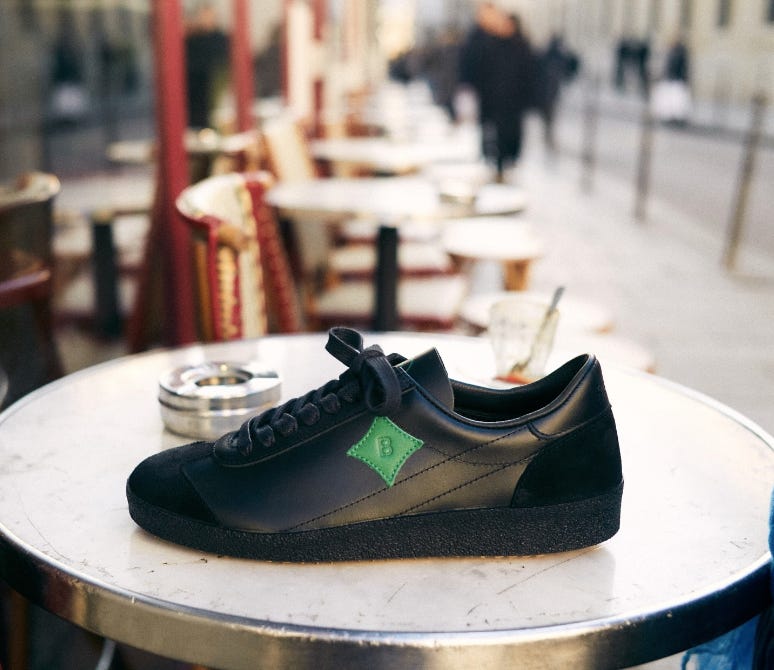
Moritz Gottlob: It’s funny, in a way. I mean, in my past work life, everything was strategically planned out, with its own lifecycle. With Gottlob I’ve let go of that entirely. Helena, my fiancée, who’s an art historian, helps me a lot with the strategizing, even if it’s only by questioning things. I, for my part, just get excited and go: lets do this, let’s do that — let me email the factory. And that’s the beauty of being a small label, of course. We can do smaller runs, whether it’s sterling silver clovers — no idea if anyone’s going to buy them — or this shoe we’re doing with a German company called Brütting.
Lukas Mauve: Tell me more about that shoe…
Moritz Gottlob: We’ve actually done a small run before in black, but that was back in 2024, when Gottlob was still very young. The shoe we’re making now is based on the same model I’ve been wearing since I was like 15 or 16. It used to be the go-to shoe of a lot of drug dealers in Cologne at the time.
Lukas Mauve: …and you thought: I need those!
Moritz Gottlob: …Well, I’m not gonna lie. I mean, we didn’t sell the drugs, though we did have these fanny packs as well the shoes, trying to mimic that aesthetic. The reason the drug dealers wore them was probably that it’s quite an expensive sneaker, made by hand in Germany. Maybe it was a status symbol of some sort. I don’t know.
Lukas Mauve: And I saw you’re also working on another bag?